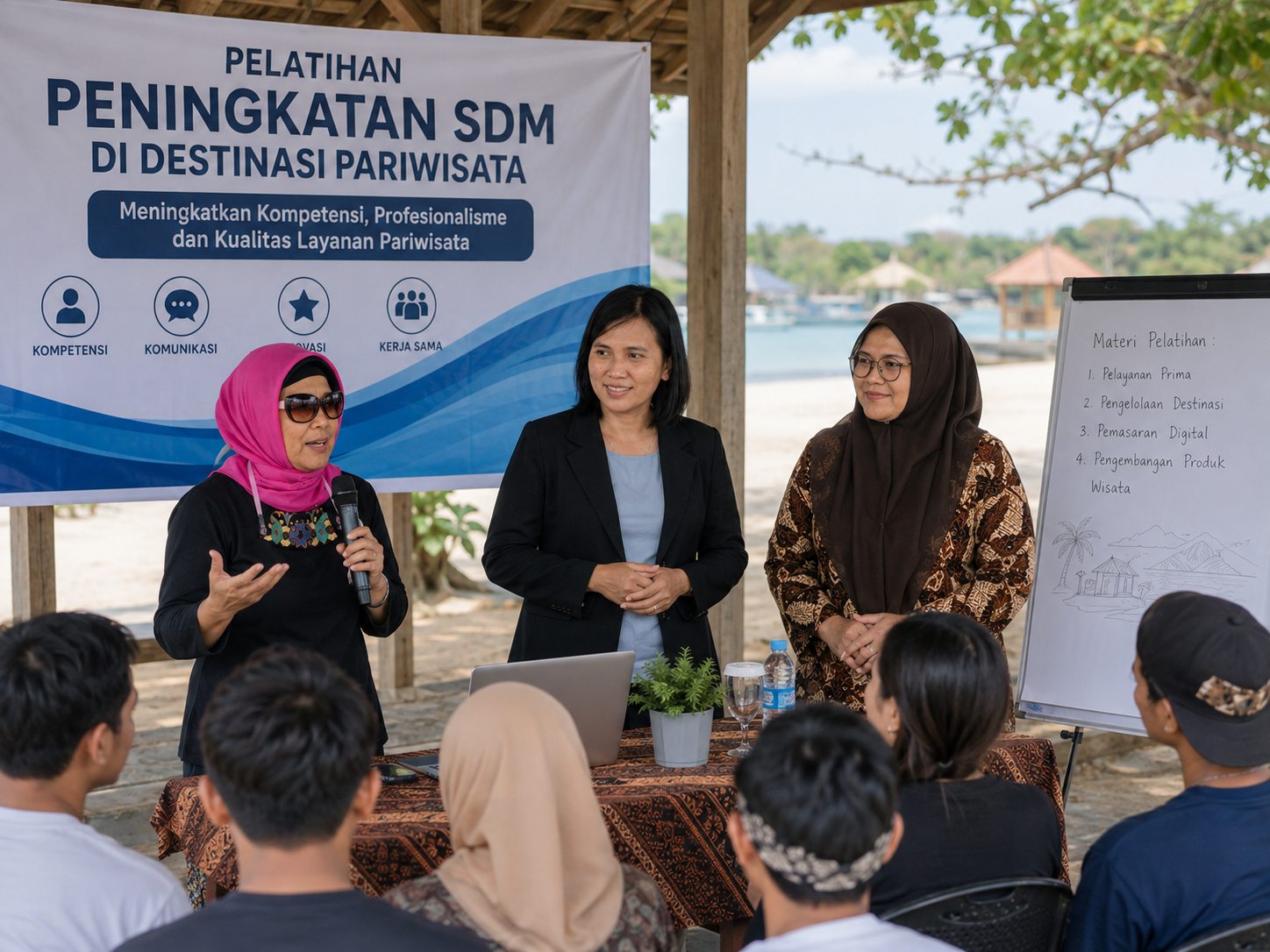
Human Development Programming involves a comprehensive set of activities designed to improve people’s capabilities, welfare, and quality of life. The program begins with needs assessments, community consultations, and socioeconomic data collection to identify priority challenges. It then provides inclusive education, vocational and technical training, healthcare services, nutrition support, digital literacy, entrepreneurship development, and access to decent employment. Programs may also strengthen social protection, gender equality, youth empowerment, disability inclusion, and environmental awareness. Capacity-building activities are conducted for local institutions, community organizations, and program facilitators to ensure effective implementation. Partnerships among government, academia, industry, civil society, and communities support resource mobilization and innovation. Continuous monitoring, transparent reporting, impact evaluation, and feedback mechanisms are required to measure progress, improve interventions, and maintain long-term sustainability.
Human Development Programming involves a comprehensive set of activities designed to improve people’s capabilities, welfare, and quality of life. The program begins with needs assessments, community consultations, and socioeconomic data collection to identify priority challenges. It then provides inclusive education, vocational and technical training, healthcare services, nutrition support, digital literacy, entrepreneurship development, and access to decent employment. Programs may also strengthen social protection, gender equality, youth empowerment, disability inclusion, and environmental awareness. Capacity-building activities are conducted for local institutions, community organizations, and program facilitators to ensure effective implementation. Partnerships among government, academia, industry, civil society, and communities support resource mobilization and innovation. Continuous monitoring, transparent reporting, impact evaluation, and feedback mechanisms are required to measure progress, improve interventions, and maintain long-term sustainability.